

Welcome
to the Evolutionary Ecology Lab of
Michele Dudash
at South Dakota State University and University of Maryland
WELCOME! I have moved to the Department of Natural Resource Management at South Dakota State University as Professor and Head of the Department!
I am also currently finishing a number of PhD students up at UMD. I will also be looking for a postdoc to collaborate with starting summer of 2017 at SDSU.
I am a population biologist by training, thus my lab focuses on both
the ecological and genetic factors responsible
for a population’s persistence or demise. In this context the major theme in my lab is on the ecology and evolution of reproductive systems in nature. Topics we investigate include plant mating system evolution, plant-pollinator interactions including both pollinators and herbivores,
demography of populations, and the role inbreeding and phenotypic
plasticity
play in the evolution of plant populations. Students in my lab are interested in the dynamic interplay between native and invasive species, megabat foraging behavior in the Old World Tropics, and the role of long distance migration and natal dispersal of migratory bird species. Research conducted in my lab also directly
relates
to the need for baseline data that may be utilized to help form
successful
conservation and restoration management plans for threatened taxa. The research conducted in my lab is field oriented with complimentary greenhouse and
laboratory
studies.
Please feel free to contact me with any questions at:
Michele.Dudash(at)SDstate.edu
LAB NEWS
Fall 2016
Publications continue to flow from my graduate students' research under my active mentorship and collaboration!
Stewart, A.B. & M.R. Dudash. 2016. Field evidence of strong differential pollen placement by Old World bat-pollinated plants. Annals of Botany (In press).
Stewart, A.B. & M.R. Dudash. 2016. Flower-visiting bat species contribute unequally towards agricultural pollination ecosystem services in southern Thailand. Biotropica (In press).
Zhou, J., M.R. Dudash, C.B. Fenster and E.A. Zimmer. 2016. Development of Highly Variable Microsatellite Markers for the Tetraploid Silene stellata L. (Caryophyllaceae). Applications in Plant Sciences (In press).
Stewart, A.B. & M.R. Dudash. 2016. Differential pollen placement on an Old World nectar bat increases pollination efficiency. Annals of Botany 117:145-152.
Rushing, C.S., P.P. Marra, M.R. Dudash. 2016. Winter habitat quality but not long-distance dispersal influence apparent reproductive success in a migratory bird. Ecology 97: 1218-1227.
Zhou, J., M.R. Dudash, C.B. Fenster. 2016. Cannibalism during early larval development of Hadena ectypa Morrison (Lepidoptera: Noctuidae). Proceedings of the Entomological Society of Washington 118: 450-455.
Spring 2016
The newest PhD candidate in the lab is Callie Stanley! I co-advise Callie with Pete Marra from The Smithsonian Institution, Washington DC. Callie is working on how the annual migration of a neotropical songbird is influenced by resources in both its non-breeding and breeding season.
Fall 2015
Dr. Alyssa Stewart successfully defended her PhD research! Alyssa is now off to Thailand to start an academic post at Mahidol University in Bangkok!
Papers from my lab group include:
Barry, K.J. and M.R. Dudash. 2015. The importance of analyzing neighbor competitive response in the target-neighbor experimental design. Ecology and Evolution 5: 5265 - 5271.
Rushing, C.S., M. R. Dudash C. E. Studds, and P. P. Marra. 2015. Annual variation in long-distance dispersal driven by breeding and non-breeding season climatic conditions in a migratory bird. Ecography. DOI: 10.1111/ecog.01196.
Fenster, C. B., R. J. Reynolds, C. W. Williams, R. Makowsky, and M. R. Dudash. 2015. Quantifying hummingbird preference for floral trait combinations: the role of selection on trait interactions in the evolution of pollination syndromes. Evolution DOI:10.1111/evo.12639.
Rushing, C.S., M. R. Dudash, and P. P. Marra. 2015. Habitat features and long-distance dispersal modify the use of social information by a long-distance migratory bird. Journal of Animal Ecology DOI: 10.1111/1365-2656.12395.
Barry, K.J.G and M. R. Dudash*. 2015. The Importance of Analyzing Neighbor Competitive Response in the Target-Neighbor Experimental Design. Ecology and Evolution DOI: 10.1002/ece3.1689.
Stewart, A. R.G and M. R. Dudash. 2015. Differential pollen placement on an Old World nectar bat increases pollination efficiency. Annals of Botany DOI: 10.1093/aob/mcv163.
Spring 2015
PhD Candidate Alyssa Stewart was awarded a UMD BISI "Graduate Student Merit Award" Go Alyssa!
PhD Candidate Alyssa Stewart was awarded a UMD Ann G. Wylie Dissertation Fellowship for fall 2015!
Alumnus Dr. Clark Rushing had a paper accepted to Journal of Animal Ecology! This paper is from Clark's dissertation and is co-authored with myself and Pete Marra titled "Habitat features and long-distance dispersal modify the use of social information by a long-distance migratory bird".
We had a paper accepted for publication in Evolution! "Quantifying hummingbird preference for floral trait combinations: the role of selection on trait interactions in the evolution of pollination syndromes." This was a NSF funded body of research and a collaboration among myself, Charlie Fenster, our former PhD student Richard Reynolds, a former Mountain Lake NSF REU student Chris Williams and collabortor Robert Makowsky.
PhD Candidate Juannan Zhou's Doctoral Dissertation Improvement proposal was recommended for funding by NSF! "Examining sexually conflicting selection mediated by pollinating seed predator Hadena ectypa on floral design of hermaphroditic plant Silene stellata."
Fall 2014
Alumnus Dr. Clark Rushing just had a paper accepted to Ecography! This paper is from Clark's dissertation and is co-authored with myself, Pete Marra and Colin Studs titled "Annual variation in long-distance dispersal driven by breeding and non-breeding season climatic conditions in a migratory bird".
Alumnus Dr. Scott Ruhren was awarded the “Professional Conservationist of the Year” award for southern Rhode Island, in part for his leadership in restoration and habitat preservation within New England.
PhD candidate, Alyssa Stewart was an author on a recently published paper in Tropical Conservation Science: "Seed Rain in Abandoned Clearings in a Lowland Evergreen Rain Forest in Southern Thailand" in Vol.7 (3): 572-585 with authors Tuanjit Sritongchuay, George A. Gale, Thanate Kerdkaew and Sara Bumrungsri
PhD candidate, Alyssa Stewart, gave an award winning presentation at the North American Society of Bat Research titled "Resource Partitioning & Pollinator Importance among Old World Fruit Bats" in Albany, NY. Alyssa was awarded the Bat Conservation International Award - Sponsored by Bat Conservation International for a platform paper on any aspect of the biology of bats." GO ALYSSA!
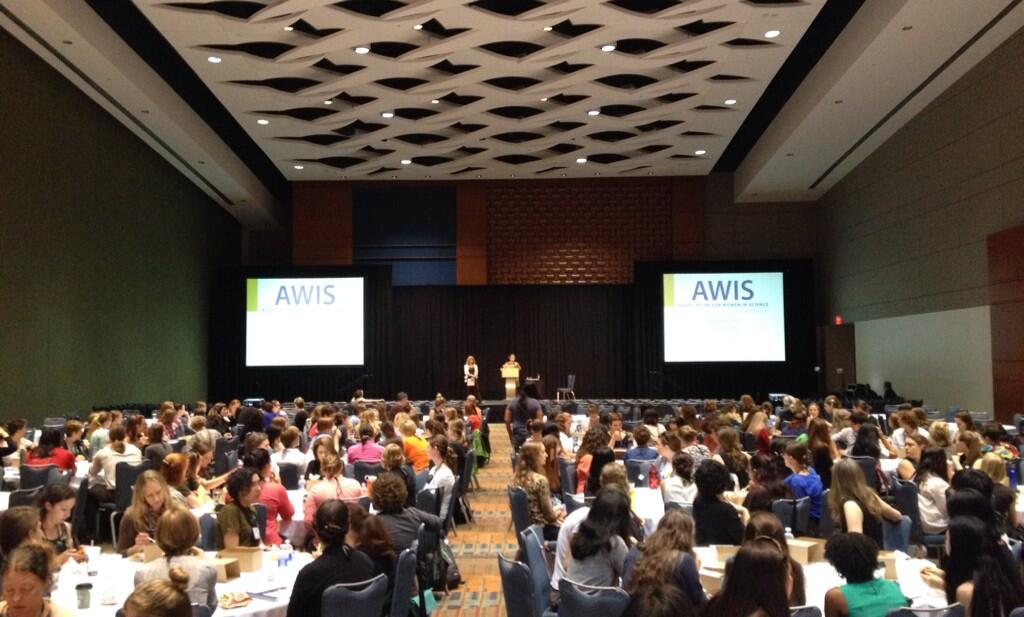
Summer 2014- Evol2014 in Raleigh NC, About Women in Science events led by Joan Herbers on Implicit Bias were well attended and very informative.
Our morning event was a post-tenure workshop with ~ 45 participants.
Here is Joan Herbers' Post-Tenure presentation and the Post-Tenure Take Home messages.
Our lunchtime networking event was attended by ~ 300 participants.
Here is Joan Herbers' Lunchtime presentation and the Lunchtime Take Home messages.
Resources to learn more About Women in Science can be found here.
Thanks to all of our participants and our sponsoring societies (American Society of Naturalists, Society of Systematic Biologists and the Society for the Study of Evolution) and the organizers of Evol2014!
- PhD candidate, Alyssa Stewart, gave a well received presentation at Evol2014! "Old World fruit bats (Pteripodidae) vary in pollinator importance and selection exserted on night-blooming plant species"
- Michele is again co-organizing with Jenny Boughman (Michigan State) the Tri-Society Women in Science event at Evolution 2014 in Raleigh, NC. Our guest speaker on the topic of Implicit Bias for both the post-tenure workshop and pre-tenure networking event is Joan Herbers (Ohio State). We hope to see you there!
- PhD candidate Alyssa Stewart received a Devra Kleiman Scholarship to attend the Association of Tropical Biology Meetings this summer in Australia! ($1630)
- New paper accepted to the journal of Ecology and Evolution!
Kula, A.A.R., D.M. Castillo, M.R. Dudash and C.B. Fenster.2014. Interactions between a pollinating seed predator and its host plant: the role of environmental context within a population. Ecology and Evolution, In Press. doi: 10.1002/ece3.1134.
Spring 2014
- PhD candidate, Jason Berg, was awarded a Botanical Society of America Graduate Student Research Award. "A molecular assessment of the potentially invasive plant species, Mimulus guttatus DC: Estimating genetic divergence, migration rates, and selfing rates for naturalized and invasive populations in North America and Europe. "
- The newly minted, Dr. Clark Rushing, successfully defended his PhD and was awarded a James Smithson Postdoctoral Fellowship from the Smithsonian Institution!
- PhD student Callie Stanley was awarded a 2-year Canadian NSERC fellowship for her doctoral research!
- Jason Berg passed his preliminary exam and is now a PhD Candidate in the BEES/BISI program!
- New paper is out in International Journal of Plant Sciences 2014 175: 80-91. Castillo, D.M.,A.A.R. Kula , M.R. Dudash and C.B. Fenster. 2014. “Invasive Silene latifolia may benefit from a native pollinating seed predator, Hadena ectypa, in NorthAmerica.
- New 2014 correspondence on our Biological Conservation 2102 paper on the proper species definitions for use in conservation. Frankham, R., R.C. Lacy, J.D. Ballou, M.R. Dudash, M.D.B. Eldridge, C.B. Fenster, J.R. Mendelson III, I. J. Porton, K. Ralls and O. A. Ryder. 2014. Letter to the Editor: Species concepts for conservation-Reply to Russello and Amato. Biological Conservation Online: http://dx.doi.org/10.1016/j.biocon.2013.12.039
- PhD candidate Alyssa Stewart's 1st chapter of her dissertation was just accepted!
Stewart, A. R. , R. Makowski and M. R. Dudash. 2014. Differences in foraging times between two feeding guilds within Old World fruit bats (Pteropodidae) in southern Thailand. Journal of Tropical Ecology 30:249-257 http://dx.doi.org/10.1017/S0266467414000042
Fall 2013
- Michele is currently at the National Science Foundation as a Program Officer in the Evolutionary Processes Cluster of DEB/BIO.
- PhD student Callie Stanley attended an Animal Migration course in Lund Sweden with the help of a Travel Grant from the Department of Biology at Maryland!
- Michele just finished an exciting 4 day book writing session over Labor Day weekend with Dick Frankham (Macquarie U Australia) , Kathy Ralls and Jon Ballou (Smithsonian), and Charlie Fenster (UMD). We are writing two books on the Genetic Management of Fragmented Populations - stay tuned!
Summer 2013
- PhD candidate, Clark Rushing, was awarded the BEST Student Paper Presentation by the Cooper Ornithological Society at the annual meeting of the AOU/COS held in Chicago in August 2013. This award provided a $300 honorarium and an annual membership to the society. Clark's talk was entitled: "Climate drives long-distance dispersal in a migratory bird."
- Mitch Cruzan (Portland State), Charlie Fenster (chair of the committee and also from UMD) and I co-organized a very successful Evol2013 meeting at Snowbird, Utah with over 1400 attendees!
- At Evol2013 Jenny Boughman (Michigan State) and I organized a very successful Women in Science event that attracted over 200 attendees!
Here is the Official Evol2013 Women in Science Summary with the suggestions complied from our attendees.
This is a review of our event with some of the Take Home Messages:
http://thescienceofmotherhood.com/Home/Home/Entries/2013/6/26_Women_in_Science_Luncheon.html
This is a review of our session titled, Choosing Tasks Wisely from Carolyn Beans, a PhD candidate at UVA: http://www.underthemicroscope.com/choosing-tasks-wisely-tips-from-the-2nd-annual-women-in-science-panel-at-evolution-2013/
Spring 2013
- We (Michele Dudash, Charlie Fenster and Abby Kula) just had another paper accepted to International Journal of Plant Sciences on our Silene- Hadena system with former undergraduate REU student and lead author, Dean Castillo, now a PhD candidate at Indiana University! “Invasive Silene latifolia may benefit from a native pollinating seed predator, Hadena ectypa, in North America"
- I had an amazing research trip to southern Thailand to oversee my PhD student, Alyssa Stewart, dissertation research. During this research trip I also presented a seminar at the Faculty of Science, Prince of Songla University, Hat Yai, Thailand.
- We just received an ADVANCE grant from UMD to support the development of molecular markers for our Silene system to enable us to estimate male paternity! The development of these molecular markers will also allow us to assess the plant population genetic structure and selection through male reproductive success in a number of native Silene species that we have been studying primarily through female reproductive success for the last two decades. My collaborators for this initiative are Jian-Jian Ren (UMD), Liz Zimmer, (Smithsonian) and my long term collaborator on this great system, Charlie Fenster (UMD).
- Dr. Kevin Barry has officially graduated with his PhD from the Department of Biology, University of Maryland!
- PhD candidate, Clark Rushing, was awarded an Ann G. Wylie Dissertation Fellowship for Fall 2013 to finish writing up his dissertation!
- PhD candidate, Juannan Zhou was awarded a $1000 Walton Fellowship Award from Mtn Lake Biological Station, U of VA for his dissertation research!
- PhD candidate, Alyssa Stewart is now in Thailand conducting her dissertation research!
- PhD student, Jason Berg was awarded a $1550 grant from the Cosmos Club of Washington, DC
for his dissertation research!
- PhD candidate, Clark Rushing presented a talk on his dissertation at a Symposium on "Causes and Consequences of Organismal Dispersal" in Lund, Sweden: http://canmove.lu.se/CCODispersal
- We have a new paper accepted with former NSF REU Dean Castillo (PhD candidate Indiana University) to Ecological Entomology on our Silene-Hadena system: Specialist pollinating seed predator exhibits oviposition strategy consistent with optimal oviposition theory. DOI: 10.1111/een.12003
- We have a new paper accepted with our former PhD student Abby Kula to American Journal of Botany: Choices and consequences of oviposition by a pollinating seed predator, Hadena ectypa (Noctuidae), on its specialized host plant, Silene stellata (Caryophyllaceae)
Fall 2012
- Alyssa Stewart passed her preliminary exam and is now a PhD Candidate in the BEES/BISI program!
- Juannan Zhou passed his preliminary exam and is now a PhD candidate in the BEES/BISI program!
- PhD candidate Kevin Barry has started a tenure track position at West Virginia State University!
Spring 2012
- PhD student, Alyssa Stewart was awarded a Rosemary Grant Research Award from the Society for the Study of Evolution
- PhD student, Alyssa Stewart was awarded a 3 year NSF Graduate Research Fellowship!
- PhD candidate, Clark Rushing was awarded a Smithsonian Predoctoral Fellowship!
- PhD candidate, Clark Rushing received a $3000 grant from the Washington Field Biologist's Club
- PhD student Juannan Zhou received a grant from Mtn Lake Biological Station for this summer to support his dissertation research ($2000)
- PhD candidate, Abby Kula successfully defended dissertation reasearch and will graduate in May 2012
- PhD candidate, Kevin Barry sucessfully defended his dissertation research.
- PhD student, Alyssa Stewart received a $3600 grant from the Explorer's Club of Washington and will also be presenting her research on Old World nectar and fruit bats: A comparison of obligate and facultative pollinators to examine fitness implications for both plants and pollinators at the mid-Atlantic Ecological Society of America meeting in Blacksburg, VA in April 2012
- New paper published in Oecologia (2012) details the relationship a between a specialized pollinating seed predator, Hadena ectypa on its host plant, Silene stellata, reproductive success across populations and years given the variable presence of equally effective nocturnal moth pollinators, providing new insights on the context-dependency of whether this interaction is a parasitism or a mutualism.
-
New paper published in Annals of Botany (2012) demonstrates the complex interaction between inbreeding depression and plasticity in population establishment in native and novel habitats. This work demonstrates a decrease in inbreeding depression as predicted and a role for opportunistic plasticity contributing to population persistence in some novel habitats. We utilze this new term, opportunistic plasticity, first introduced by Dudash et al. (2005) because populations outside of their native range are not initially adapted to these new habitats, thus adaptive phenotypic plasticity is not an ideal term.
Fall 2011:
Michele Dudash and Nat Holland ( U. of Houston) were awarded a NSF sponsored National Evolutionary Synthesis Center (NESCent) Catalysis meeting grant on "Transitions between Mutualism and Parasitism: Integrating Theory and Empiricism"
Spring 2011:
- PhD candidate Abby Kula received a Wylie Dissertation Fellowship for Fall 2011 to finish writing up her dissertation
- PhD candidate Clark Rushing received grants from Cosmos Club ($1000) & the Baltimore Bird Club’s, Dorothy Blake Martin Fund ($3000) to support his dissertation research
- PhD student Juannan Zhou received a grant from Mtn Lake Biological Station for this summer to support his dissertation research ($1500)
- PhD student Alyssa Stewart is off to Thailand this summer to begin her dissertation research
- Alumnus Richard Reynolds, received a NIH Career Grant to study Novel genetic and environmental risk factors of rheumatoid arthritis in African Americans
Michele R. Dudash Education:
B.S. Millersville
University, Millersville PA
Ph.D. University of Illiniois at Chicago,
IL
Post-Doc University of Toronto.
Academic Distinctions:
Full Professor, Department of Biology, University of Maryland, College Park, MD
Full Professor, Botanisk Institutt, Norwegian University of Science and Technology, Trondheim, Norway
Associate Editor Evolution1999-2001
Associate Editor International Journal of Plant Sciences 2012- present
Editorial Review Board Conservation
Genetics 2002 - present
Board of Advisors New Phytologist 2013 - present
Treasurer
American
Society
of Naturalists 2002-2005
Executive Council Member American
Society
of Naturalists 2006-2008
Director of the interdisciplinary graduate program in Behavior, Ecology, Evolution and Systematics (BEES) at University of Maryland 2006-2009
Outreach:
- Michele Dudash is a faculty advisor for two student groups at UMD performing outreach in the local schools; Terps Roots and Shoots and TUSK ( Teaching Underrepresented Sciences to Kids)
- My lab group is actively involved with mentoring undergraduate research assistants at UMD
- Michele Dudash is a regular judge at K-12 science fairs in Prince George's County, Maryland
*********************************************************************************************
Undergraduate Courses:
Population Ecology: Fundamental concepts in plant and animal systems (BSCI 462) Spring 2015
I-series Course: BSCI 215 Environmental Science: Global sustainability, a biologist’s perspective.
Honors Seminar: The History of Evolutionary Thought (HONR289c)
Introductory Evolution and
Ecology (BSCI 106)
Information on Undergraduate Research Opportunities - please click here for information on paid and unpaid summer internships at UMD and nation wide.
Graduate Courses:
Population Ecology (BIOL 708R): Fundamental concepts in plant and animal systems
Seminars in Plant
Conservation
and Restoration
Graduate Program for potenial students to apply through:
BISI / BEES (Behavior, Ecology, Evolution and Systematics)
Past
Advisors/Collaborators:
Stephen
Weller, Kermit
Ritland, Spencer
Barrett
Publications
and Pdfs
Single copies of the PDF files may be downloaded and printed for personal research and study.
Here is a link to my Google Scholar Profile
Areas
of Active Research:
Mating System Evolution
In the past we have
addressed the role of inbreeding depression and its
genetic basis in the evolution of plant mating systems in the model
system, Mimulus.
We have shown that inbreeding depression for both the selfing, Mimulus
micranthus, and mixed-mating taxa, Mimulus guttatu, is
dominance
based. Additionally maternal families vary in their response to serial
inbreeding, thus purging of the genetic load is possible following
environmental conditions that promote self-matings or biparental
inbreeding.
Relevant
articles:
Murren, C.J. and M.R. Dudash. 2012. Variation in inbreeding depression and plasticity across native and non-native field environments. Annals of Botany 109: 621–632.
Dudash, M.R., C. Hassler, P. Stevens, and C.B. Fenster. 2011. Experimental floral and inflorescence trait manipulations affect pollinator preference and function in a hummingbird pollinated plant. American Journal of Botany 98: 275-282.
Burd, M., T-L Ashman, T.L., D.R. Campbell, M. R. Dudash, M. O. Johnston, T.M. Knight, S. J. Mazer, R. J. Mitchell, J. A. Steets, and J. C. Vamosi.
2009. Ovule number per flower in a world of unpredictable pollination. American Journal of Botany 96: 1159-1167.
Dudash, M. R. and C. J. Murren. 2008. The influence of breeding systems and mating systems on conservation genetics and conservation decisions. In Conservation Biology: Evolution in Action edited by S. C. Carroll and C. W. Fox., pp. 68-80, Oxford University Press, UK.
Knight, T. Tiffany M. Knight, J. A. Steets, J. C. Vamosi, S. J. Mazer, M. Burd, D. R. Campbell, M. R. Dudash, M. O. Johnston, R. J. Mitchell, and T-L. Ashman. 2005. Pollen Limitation of Plant Reproduction: Pattern and Process. Annual Review of Ecology, Evolution, and Systematics36: 467- 497.
Ashman T-L, T. M. Knight, J. Steets, P. Amarasekare, M. Burd, D. R.
Campbell, M. R. Dudash, M. O.
Johnston, S. J. Mazer, R. J. Mitchell, M. T. Morgan, and W. G. Willson.
2004. Pollen limitation of plant reproduction: ecologial and
evolutionary causes and consequences. Ecology 85: 2408-2421.
Carr, D.E., and M.R.
Dudash. 2003. Recent approaches into the genetic basis of
inbreeding depression in plants. Philosophical Transactions
of the
Royal Society of
London
Series B.
358: 1071-1084.
Dudash,
M. R.
and D. E. Carr. 1998. Genetics underlying inbreeding depression in Mimulus with
contrasting
mating systems. Nature 393: 682-68.
Carr, D. E.
and M.
R. Dudash. 1997. The effects of five generations of enforced
selfing on potential male
and female function in Mimulus guttatu. Evolution 51: 1795-1805.
Carr, D. E., C. B.
Fenster, and M. R. Dudash. 1997. The relationship between
mating-system characters and inbreeding
depression in Mimulus
guttatus. Evolution 51: 363-372.
Dudash,
M. R.,
D. E. Carr, and C. B. Fenster. 1997. Five generations of enforced selfing and
outcrossing in Mimulus guttatus:
inbreeding depression variation at the population
and family level.Evolution 51: 54-65.
Carr,
D. E. and M. R. Dudash. 1996. Inbreeding
depression in two species of Mimulus (Scrophulariaceae) with contrasting mating systems. American
Journal of Botany 83: 586-593.
Carr,
D. E. and M. R. Dudash. 1995. Inbreeding
depression under a competitive regime in Mimulus
guttatus: consequences for potential male and female function.
Heredity
75: 437-445.
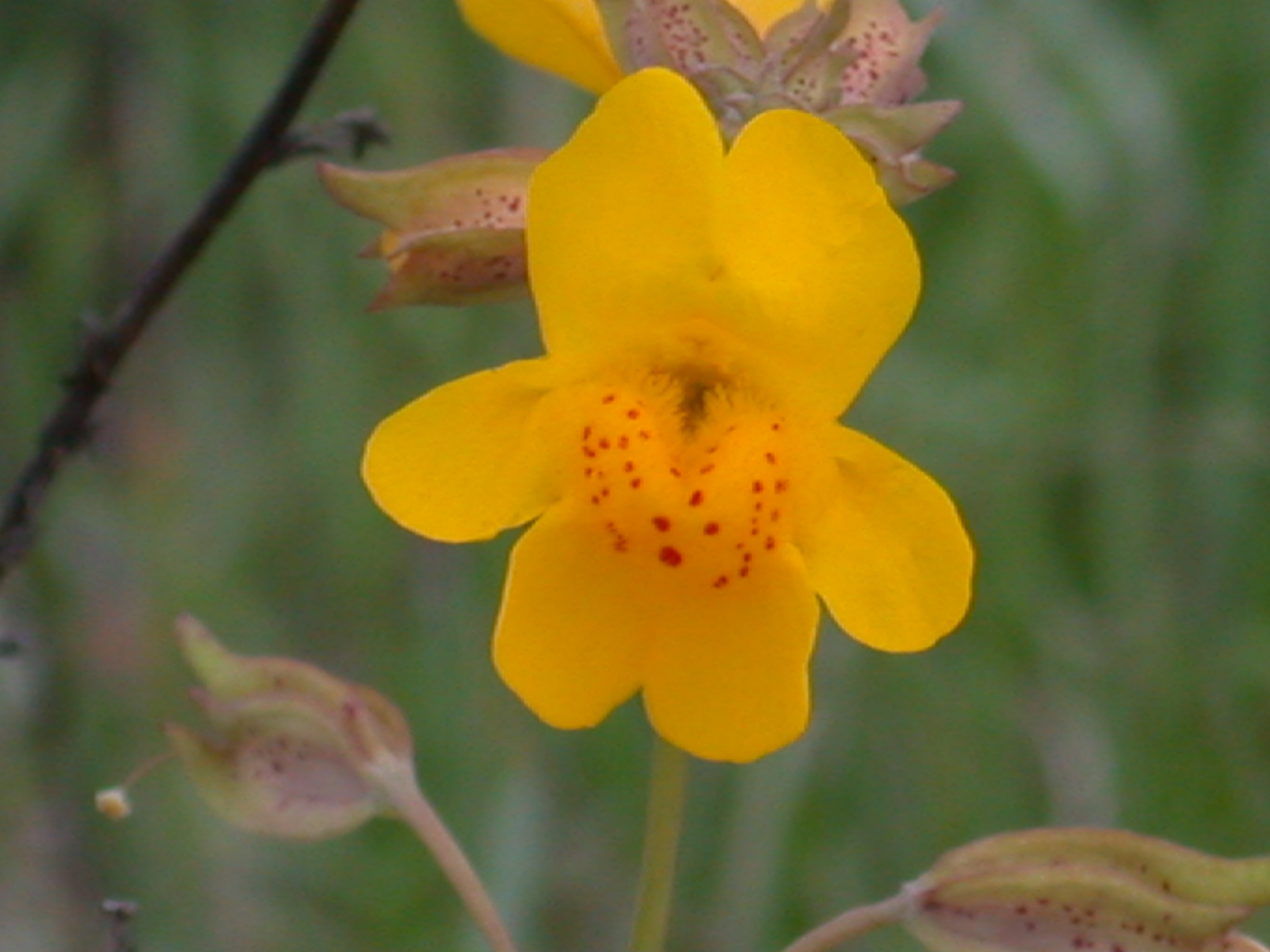
Interaction between inbreeding and phenotypic plasticity: Mimulus
guttatus as a model system for studying establishment and
persistence in native and novel environments
In the
model system, Mimulus guttatus, we have examined how eight
source populations that vary in both population size and ecological
attributes
from the native range within
California
vary in their expression of inbreeding
depression and phenotypic
plasticity on population founding and establishment success in both
native and
novel habitats. Secondly, we are quantifying how 3 generations of
enforced
selfing influences individual fitness and the expression of phenotypic
plasticity
in the greenhouse, native field environment and non-native habitat.
Emerging results from our data analyses to date
include striking variation among all eight source population in their
commitment to sexual reproduction in the native range and a switch in
life
history strategy towards a preference for vegetative/asexual
reproduction in
the non-native environments. Overall performance in native and
non-native
habitats is trait dependent and not necessarily predictable or
associated with
ancestral environmental and genetic variability or population size. In
our
empirical investigation of inbreeding and phenotypic plasticity we are
observing genetic variation among morphological, life history and
fitness
traits for the expression of phenotypic plasticity. We are also
detecting a
large environmental role on the expression of inbreeding depression as
well as
phenotypic plasticity. To our knowledge, this is the first series of
experiments simultaneously examining both genetic and ecological
factors that
influence phenotypic plasticity and ultimately colonizing ability in
both
native and novel habitats.
In M. guttatus we have detected clear evidence that serpentine soil conditions and water availability act together and had strong phenotypic effects, alone and in combination on many floral and plant traits. The traits may evolve independently from Ca/Mg ratios and water availability. Genetic variation for plasticity was detected at both the field-habitat type and family levels for half of the traits studied. Phenotypic plasticity and genetic variation for plasticity are more important than local adaptation in the success of these populations found across a variable landscape in northern California.
Relevant
articles:
Murren, C.J. and M.R. Dudash. 2012. Variation in inbreeding depression and plasticity across native and non-native field environments. Annals of Botany 109: 621–632.
Murren, C. J., C. Chang, and M. R. Dudash. 2009. Patterns of selection of two North American native and non-native populations of Monkeyflower (Phyrmaceae). New Phytologist 183: 691-701.
Dudash, M. R. and C. J. Murren. 2008. The influence of breeding systems and mating systems on conservation genetics and conservation decisions. In Conservation Biology: Evolution in Action edited by S. C. Carroll and C. W. Fox., pp. 68-80, Oxford University Press, UK.
Murren,
C. J., L. Douglass, A. Gibson, and M.
R. Dudash. 2006. Individual and combined effects of
Ca/Mg ratio and water on trait expression in Mimulus
guttatus. Ecology 87: 2591-2606.
Dudash. M. R., C. J. Murren, and D. E. Carr. 2005. Using Mimulus as a model system to understand the role of inbreeding in conservation and ecological approaches. Annals of the Missouri Botanic Garden. 92(1): 36-51.
Conservation and Restoration Ecology
Another focus of my
research program is aimed at restoration and
conservation biology. I seek to better understand the population dynamics of
both
native and non-native species in population establishment and range
expansion.
I am also interested in the role of inbreeding and the expression of
inbreeding
depression on the design of conservation and restoration strategies.
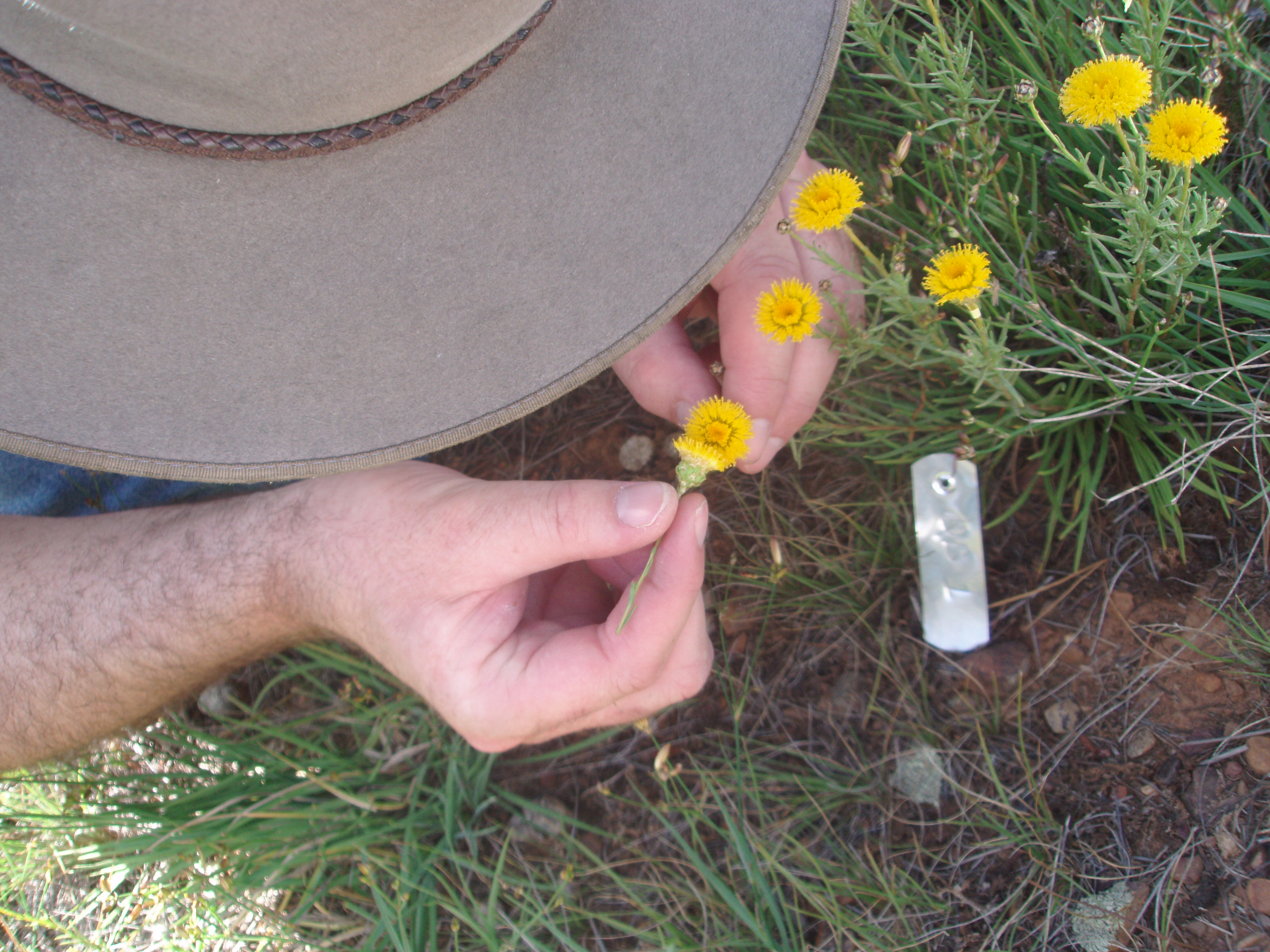
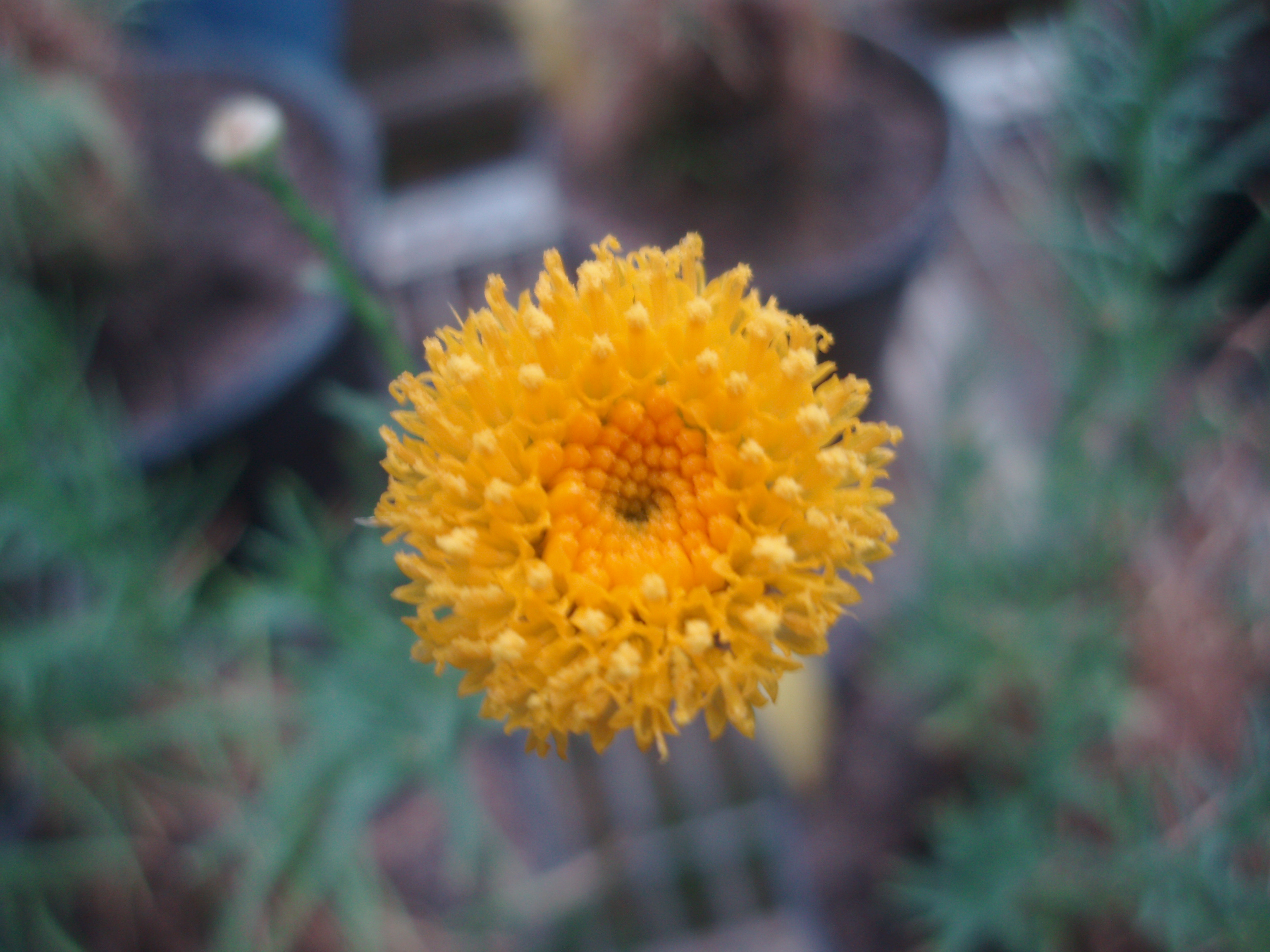
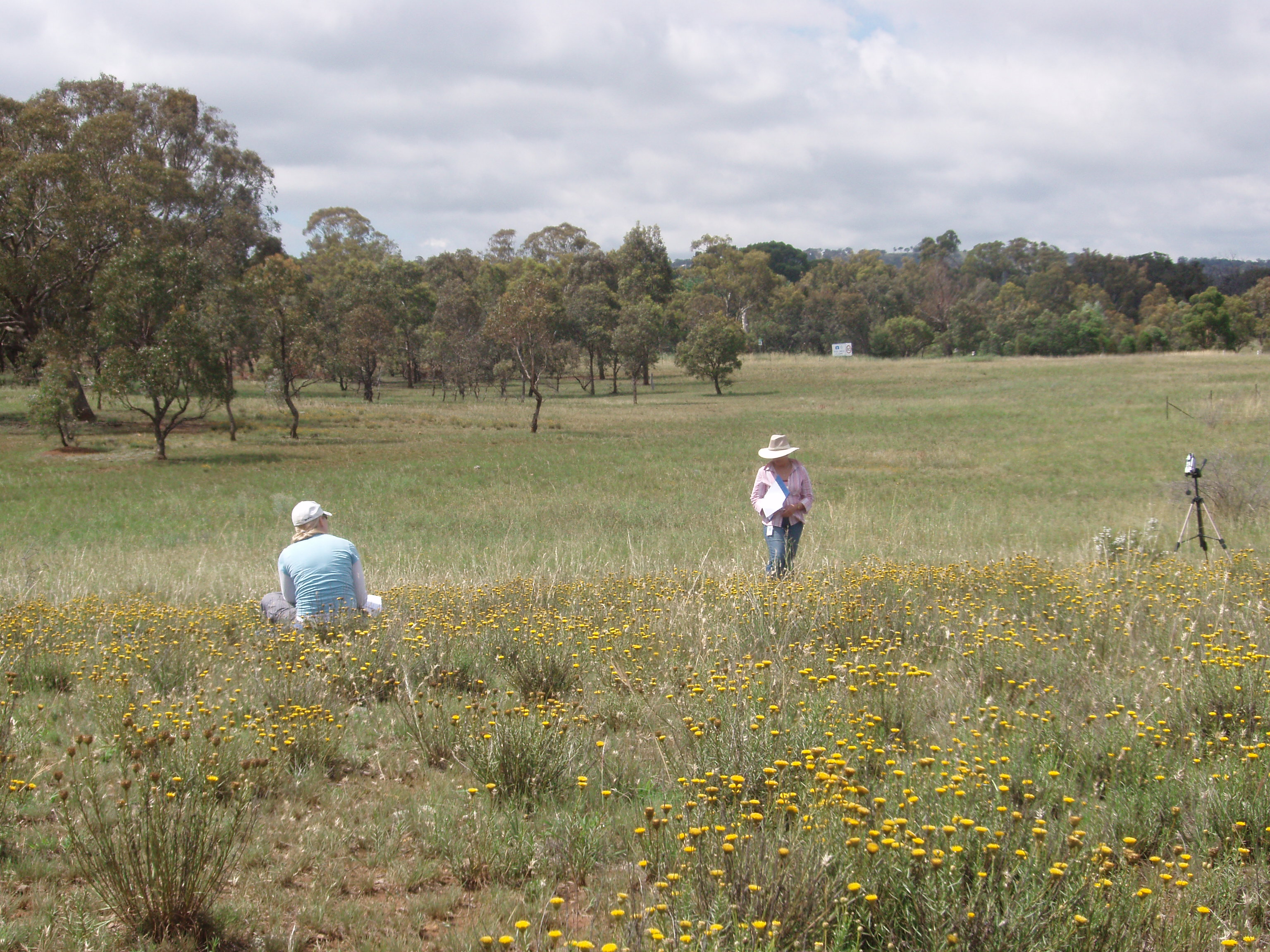
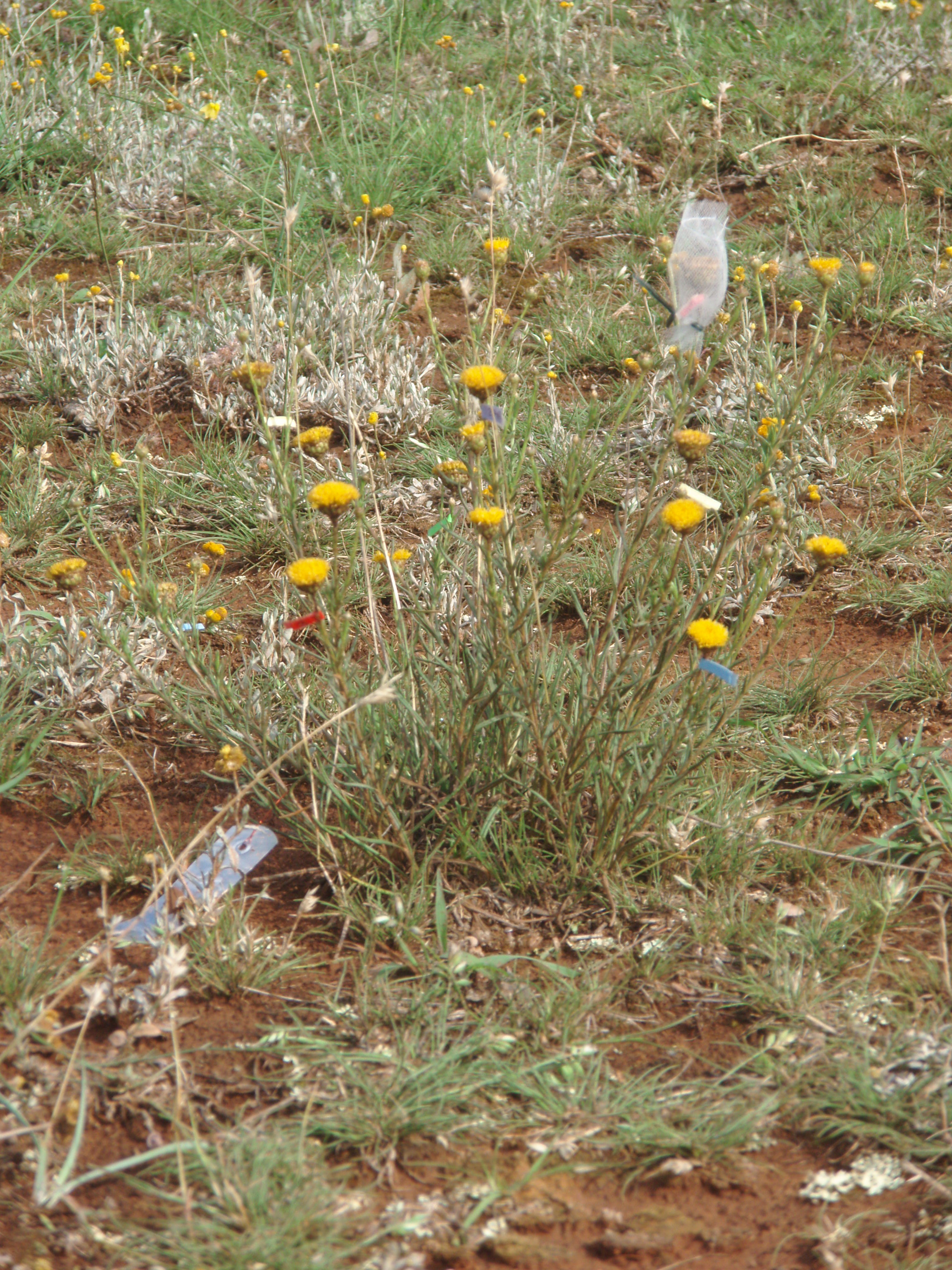
I spent part of a sabbatical in Australia collaborating with Dr. Andrew Young at CSIRO Plant Industry in Canberra. Andrew has been studying the reproductive biology of Rutidosis leptorrhynchoides (Asteraceaea), an endangered genetically self-incompatbile, herbaceous, perennial that occurs in natural grassland fragments of southeastern Australia. There are about 30 populations remaining varying in size from less than 100 to a thousand individuals in southern Australia. Population size is important because this species is self-incompatible there are even fewer mating types in a small versus a large population owing to a lack of S allele diversity. We conducted pollinator observations on 2 small and 2 large populations of R. leptorrhynchoides in the Canberra area to determine who the visitors were and their visitation patterns, within versus among plants in the study populations. We also performed a genetic rescue experiment where we augmented 2 small and 2 large female target populations with pollen from 2 small and 2 large male donor populations. Our overall goal is to determine if we can augment pollen diversity through introducing novel S alleles into the population via hand-pollinations to increase seed set in the field of this endangered species.
Relevant
articles:
Frankham, R., R.C. Lacy, J.D. Ballou, M.R. Dudash, M.D.B. Eldridge, C.B. Fenster, J.R. Mendelson III, I. J. Porton, K. Ralls and O. A. Ryder. 2014. Letter to the Editor: Species concepts for conservation-Reply to Russello and Amato. Biological Conservation Online: http://dx.doi.org/10.1016/j.biocon.2013.12.039
Frankham, R., J.D. Ballou, M.R. Dudash, M.D.B. Eldridge, C.B. Fenster, R. C. Lacy, J.R. Mendelson III, I. J. Porton, K. Ralls, O. A. Ryder. 2012. Perspective - Implications of different species concepts for conserving biodiversity. Biological Conservation 153: 25-31.
Frankham, R., J.D. Balou, M.B.D. Eldridge, R.C. Lacy, M.R. Dudash and C.B. Fenster. 2011. Predicting the probability of outbreeding depression. Conservation Biology 25:465-475.
Dudash, M. R. and C. J. Murren. 2008. The influence of breeding systems and mating systems on conservation genetics and conservation decisions. In Conservation Biology: Evolution in Action edited by S. C. Carroll and C. W. Fox., pp. 68-80, Oxford University Press, UK.
Dudash,
M. R. and C. B. Fenster. 2000. Inbreeding and outbreeding
depression in fragmented
populations. In Genetics, Demography, and Viability of Fragmented Populations,
edited by A. Young and G.
Clarke, pp. 55-74, Cambridge University Press,
UK
.
Fenster,
C. B. and M. R.
Dudash. 1994. Genetic considerations for plant population conservation
and restoration. In Restoration of Endangered Species:
Conceptual Issues, Planning,
and Implementation, pp. 34-62,
edited by M. L. Bowles and C. Whelan,
Cambridge
University
Press.
Quantifying the role of pollinator mediated
selection in the evolution of pollination syndromes in Silene (Caryophyllaceae).
Another focus of my research program is trying to understand the
selective forces responsible for the evolution of pollination
syndromes.
I am involved in an ongoing collaboration
with Dr. Charles Fenster on a long-term field study to address the
evolution of
and degree of specialization between the animal visitors to three
related
species of Silene that differ in their
floral design and
reward system. Silene virginica has red tubular
flowers
that are
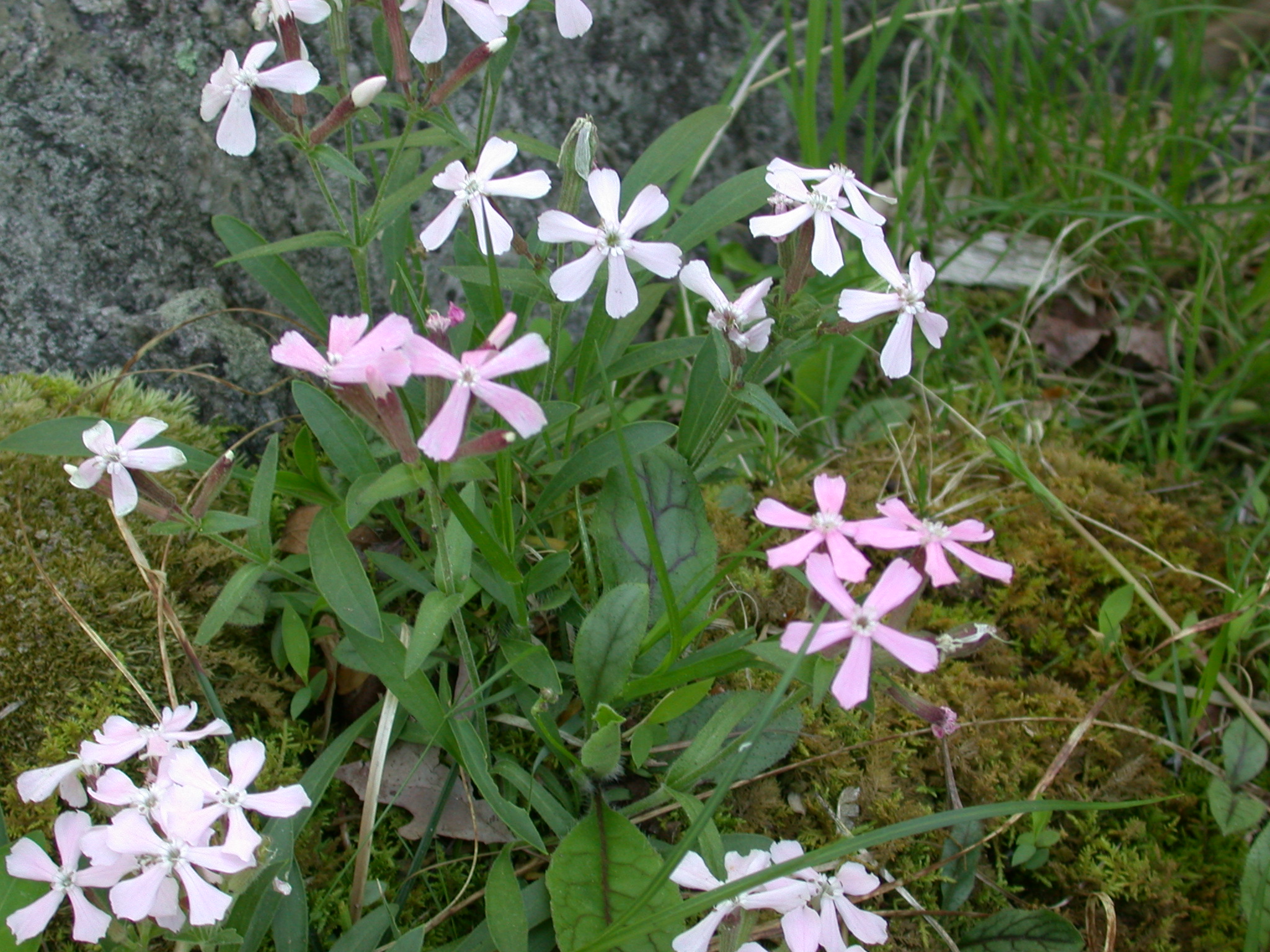
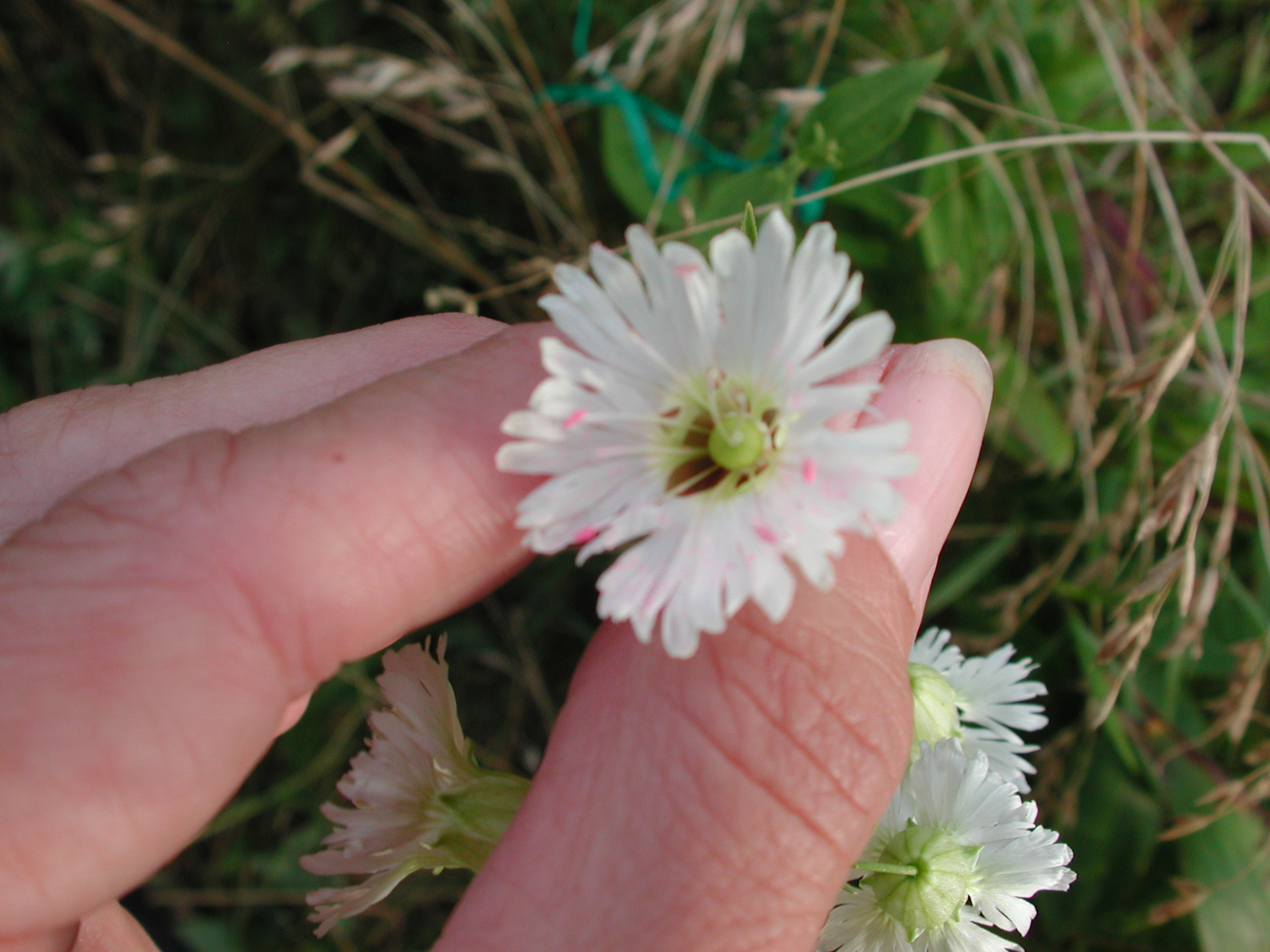
primarily hummingbird pollinated. S. virginica’s two closest sister
taxa are Silene
stellata,
which has white bowl flowers that are initially receptive
at
night and are first visited by noctuid moths and by bumble bees during
the day.
Silene
caroliniana
appears to be visited primarily during the
day and
clearwing hawkmoths and Bombus are some of the
common visitors.
We are
examining the role of pollinators as selective agents utilizing three
approaches. First, we are estimating pollinator importance in terms of
both
male and female function. Second, we are conducting cohort phenotypic
selection
studies across years for both S. virginica and S.
caroliniana.
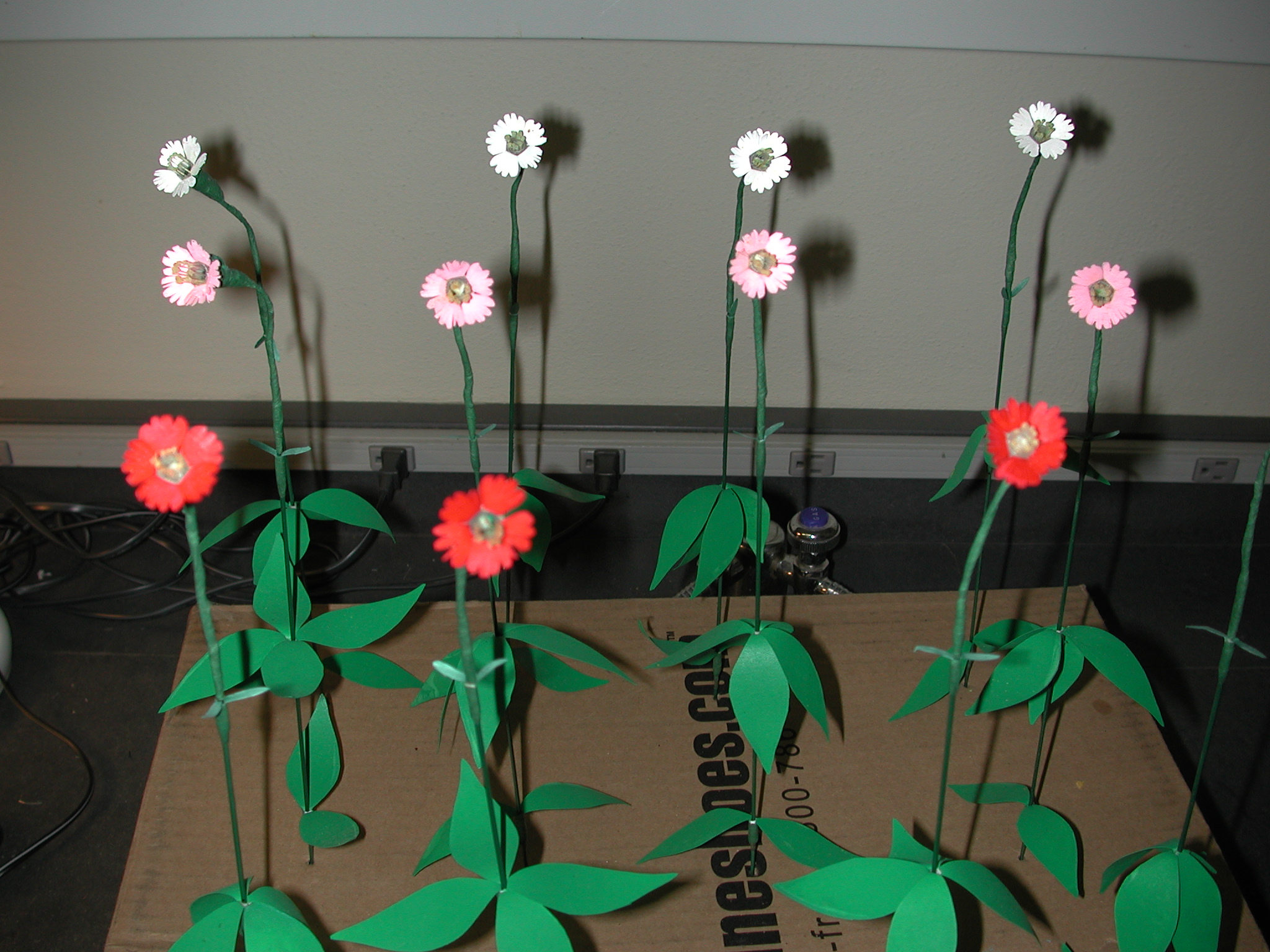
Third, we are conducting a series of single and multi-trait
floral
phenotypic
manipulations for each of the three Silene
species. Thus we hope to provide a deeper understanding of the validity
of the
pollination syndrome concept as well as the selective processes
responsible for
the origin and maintenance of floral traits in the three divergent, yet
closely
related species of Silene. This
work also addresses the importance
of maintaining habitat to allow critical associations between plant
species and
their pollinators to help preserve species biodiversity.
Relevant
articles:
Castillo, D.M., A.A.R. Kula , M.R. Dudash and C.B. Fenster. 2014. Invasive Silene latifolia may benefit from a native pollinating seed predator, Hadena ectypa, in North America. International Journal of Plant Sciences 175: 80-91
Kula, A.A.R., D. M. Castillo, M. R. Dudash and C. B. Fenster. 2013. Choices and consequences of oviposition by a pollinating seed predator, Hadena ectypa (Noctuidae), on its specialized host plant, Silene stellata (Caryophyllaceae). American Journal of Botany 100(6):1-8.
Castillo, D.M. A.A.R. Kula , K.A.D. Fenster, C.B. Fenster and M.R. Dudash. 2013. Specialist pollinating seed predator exhibits oviposition strategy consistent with optimal oviposition theory. Journal of Ecological Entomology 38: 164-172.
Reynolds, R.J., A.R. Kula, C.B. Fenster and M.R. Dudash. 2012. Variable nursery pollinator importance and its effect on plant reproductive success. Oecologia 168: 439-448.
Dudash, M.R., C. Hassler, P. Stevens, and C.B. Fenster. 2011. Experimental floral and inflorescence trait manipulations affect pollinator preference and function in a hummingbird pollinated plant. American Journal of Botany 98: 275-282.
Reynolds, R. J., M. R. Dudash and C. B. Fenster. 2010. Multi-year study of multivariate linear and nonlinear phenotypic selection on floral traits of hummingbird-pollinated Silene virginica. Evolution 64:358-369.
R. J. Reynolds, M. J. Westbrook, A. S. Rohde, J. M. Cridland, C. B. Fenster, and M. R. Dudash. 2009. Pollinator specialization and Pollination Syndromes of three related North American Silene. Ecology 90: 2077-2087.
Fenster, C. B. W. S. Armbruster and M.R. Dudash. 2009. Specialization of flowers: Is floral orientation an overlooked first step? New Phytologist 183: 502-506.
Fenster, C. B., G. Cheely, M. R. Dudash and R. J. Reynolds. 2006. Nectar Reward and Advertisement in Hummingbird-Pollinated Silene virginica, (Caryophyllaceae). American Journal of Botany 93: 1800-1807.
Kephart, S. R. J. Reynolds, M. Rutter, C. B. Fenster, and M. R. Dudash. 2006. Pollination and seed predation by moths on Silene and allied Caryophyllaceae: Evaluating a model system to study the evolution of mutualisms. New Phytologist 169: 667-680.
Fenster,
C. B., W. S. Armbruster, M. R. Dudash,
J. Thomson and P. Wilson. 2004. Pollination
syndromes and the
evolution of floral diversity. Annual Reviews of Ecology and Systematics 35: 375-403.
Dudash.
M. R.
and C. B. Fenster, C. B. 2001. The role
of breeding system and inbreeding depression
in the maintenance of an outcrossing
mating strategy in Silene virginica (Caryophyllaceae). American
Journal of Botany 88: 1953-1959.
Fenster, C. B. and M.
R. Dudash. 2001. Spatiotemporal variation in the role of hummingbirds as pollinators of Silene
virginica. Ecology 82: 844-851.
Armbruster, W. S.,
C.
B. Fenster, and M. R. Dudash. 2000. Pollination
“principles” revisited: specialization,
pollination
syndromes, and the evolution of flowers. Det Norske
Videnskapsakademia. I. Matematisk Naturvidenskapelige Klasse,
Skrifter
,
Ny
Serie 39: 139-148.
Dudash,
M. R. and C. B. Fenster.
1997. Multiyear study of pollen limitation and cost
of reproduction in the iteroparous, Silene
virginica. Ecology 78:
484-493.
Current
Lab Members:
Sara Konkel - PhD candidate co-advised with Charlie Fenster
"Reproductive ecology of Silene caroliniana"
Gallaudet Scholar
Contact: skonkel (at) umd.edu
Alyssa Stewart - PhD candidate, NSF GRFP awardee
"Old World bat foraging specialization: ecological and evolutionary implications over space and time"

Contact: aly55a (at) umd.edu
Juannan Zhou - PhD candidate co-advised with Charlie Fenster (UMD) and Liz Zimmer (Smithsonian Institution)
"Genetic structure of a pollinating seed predator and its specialized host plant, Silene stellata"

Contact:
jnzhou(at) umd.edu
Jason Berg - PhD candidate co-advised with Liz Zimmer (Smithsonian Institution)
"The role of time since colonization in novel habitats and its effects on the evolution of plant mating systems and the reproductive ecology of Mimulus guttatus "

Contact: jaberg (at) umd.edu
Callie Stanley - PhD student co-advised with Pete Marra (Smithsonian)
The dynamics of source-sink interactions in wood thrushes
Contact: callie(at) umd.edu
Undergraduates at UMD:
I normally have
between
5-10 undergraduates assisting me in my research at UM each semester.
These
students come to me via the campus wide Federal Work Study Program and
through
the Undergraduate Research Assistantship Program at UMD.
-------------------------------------------------------------------------------------------------------------
Lab Alumni - Past Lab Members: (Please see below for undergraduate alumni)
Dr. Clark Rushing - PhD 2014. Currently a James Smithson Postdoctoral Fellowship from the Smithsonian Institution!
"Understanding the Causes and Consequences of Dispersal in Migratory Birds"
Contact: crushing05 (at) gmail.com
Dr. Kevin
Barry - PhD May 2013
Teaching Assistant Professor, West Viriginia University
“Competitive response of native plant species to neighbor presence, identity and phenology across two growing seasons”
Washington Field Biologist's Grant 2009 ($2000) to support dissertation research at Blandy Experimental Farm
Blandy Experimental Farm Research Funding 2007-2009 ($3,500/yr)
http://biology.wvu.edu/faculty/faculty-pages/kevin-barry
Dr. Abby Kula - PhD May 2012
Currently a visiting Assistant Professor at Mount Saint Mary's University
“Quantifying context dependent outcomes of the interaction between Silene stellata (caryophyllaceae) and its pollinating seed predator, Hadena ectypa (noctuidae)"
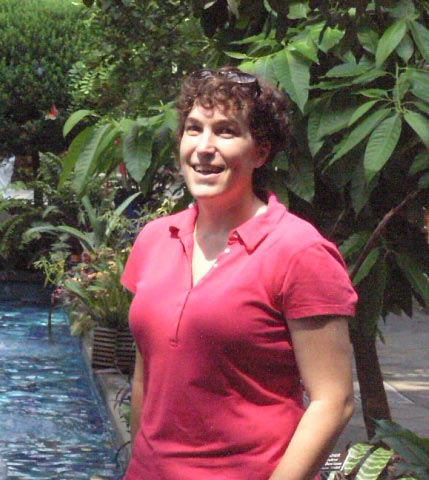
http://www.msmary.edu/academics/faculty-directory/abigail-kula
Dr. Richard
Reynolds - PhD May 2008
"The role of pollinators as selective agents in the evolution of pollination syndromes among three eastern North American sister taxa of Silene"
NIH postdoc in Statistical Genetics at University of Birmingham
Currently
a faculty member in the Dept. of Medicine, Division of Clinical Immunology and Rheumatology, Univ.of Alabama at Birmingham.
Richard received a NIH 5 year Career Grant in 2011!
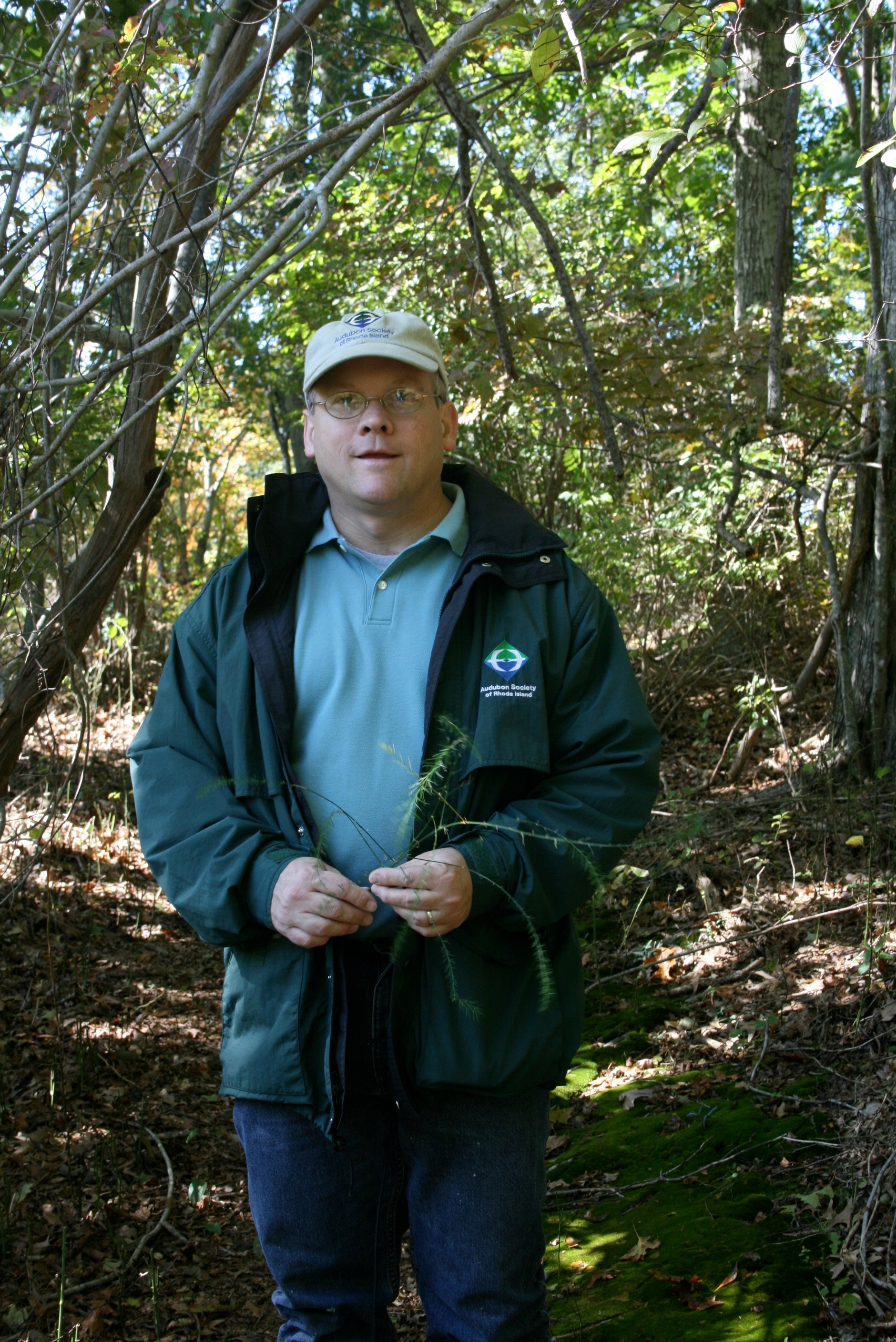
Dr. Scott
Ruhren - Senior Director of Conservation, Audubon Society of Rhode Island
Scott Ruhren (MS 1994) Currently Senior Director of Conservation, Audubon Society of Rhode Island
Former Postdocs in my lab:
Dr. Courtney J. Murren - Associate Professor at College of Charleston
Dr. Dave
Carr - Associate Professor and Director of Blandy Experimental Farm, U of Virginia
Dr. Eric Nagy
- Associate Director, Mountain Lake Biological Station, U of Virginia
Dr. Martha
Weiss -
Associate Professor
Georgetown
University
Undergraduate Alumni
Cynthia Chang – Honor’s thesis student UMD. PhD from Yale (2011), NSF Post Doctoral Fellow U of Washington and now a tenure track Assistant Professor at U of Washington, Bothell.
http://cynthiacchang.weebly.com
Eddie Bynes –
independent research project for course credit at UMD. Ph.D. from Duke 2010. AAAS Science & Technology Policy Fellow at NIH, and currently employed by NIH.
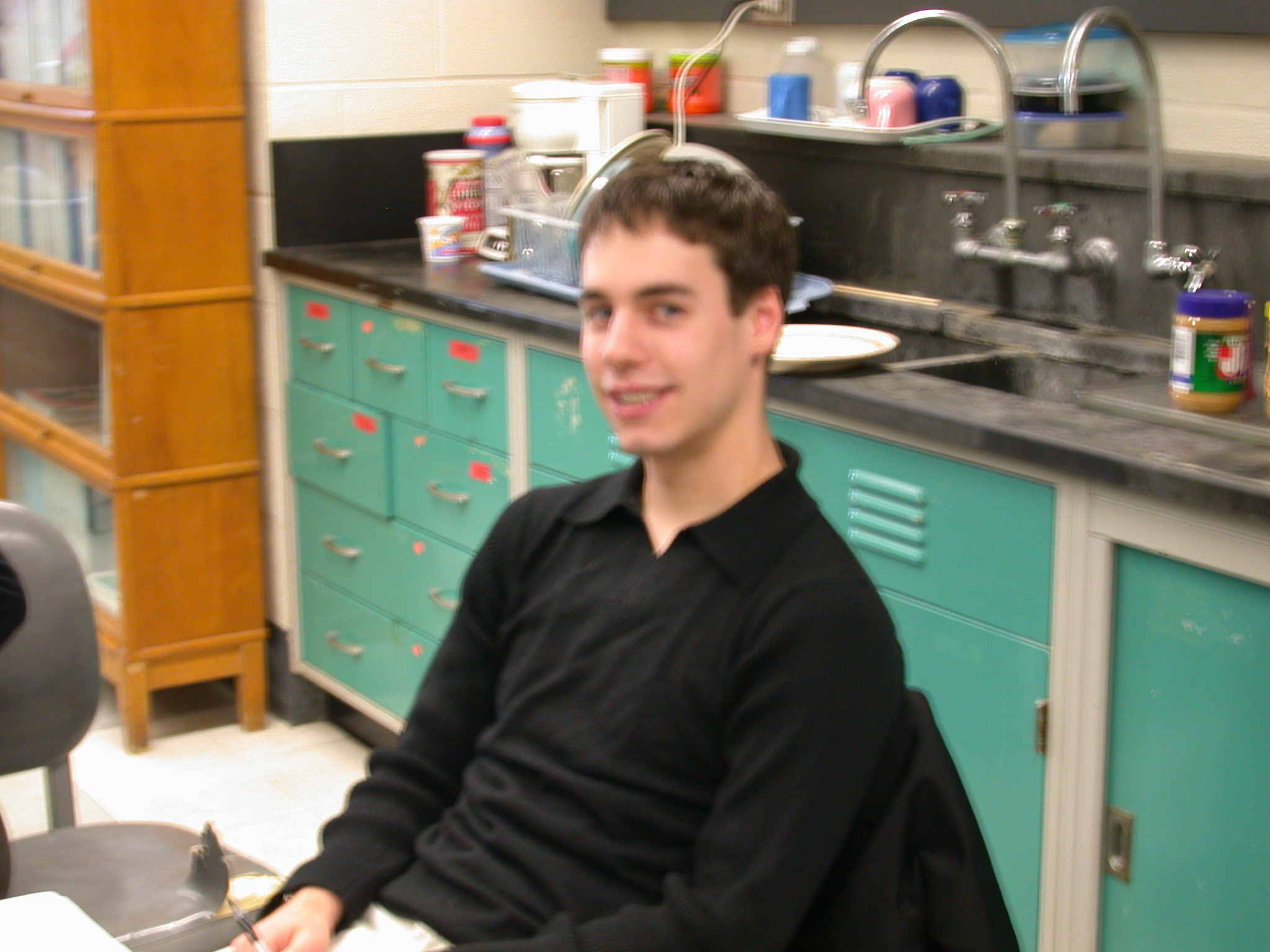
http://www.linkedin.com/pub/edmond-byrnes/2b/a13/b5
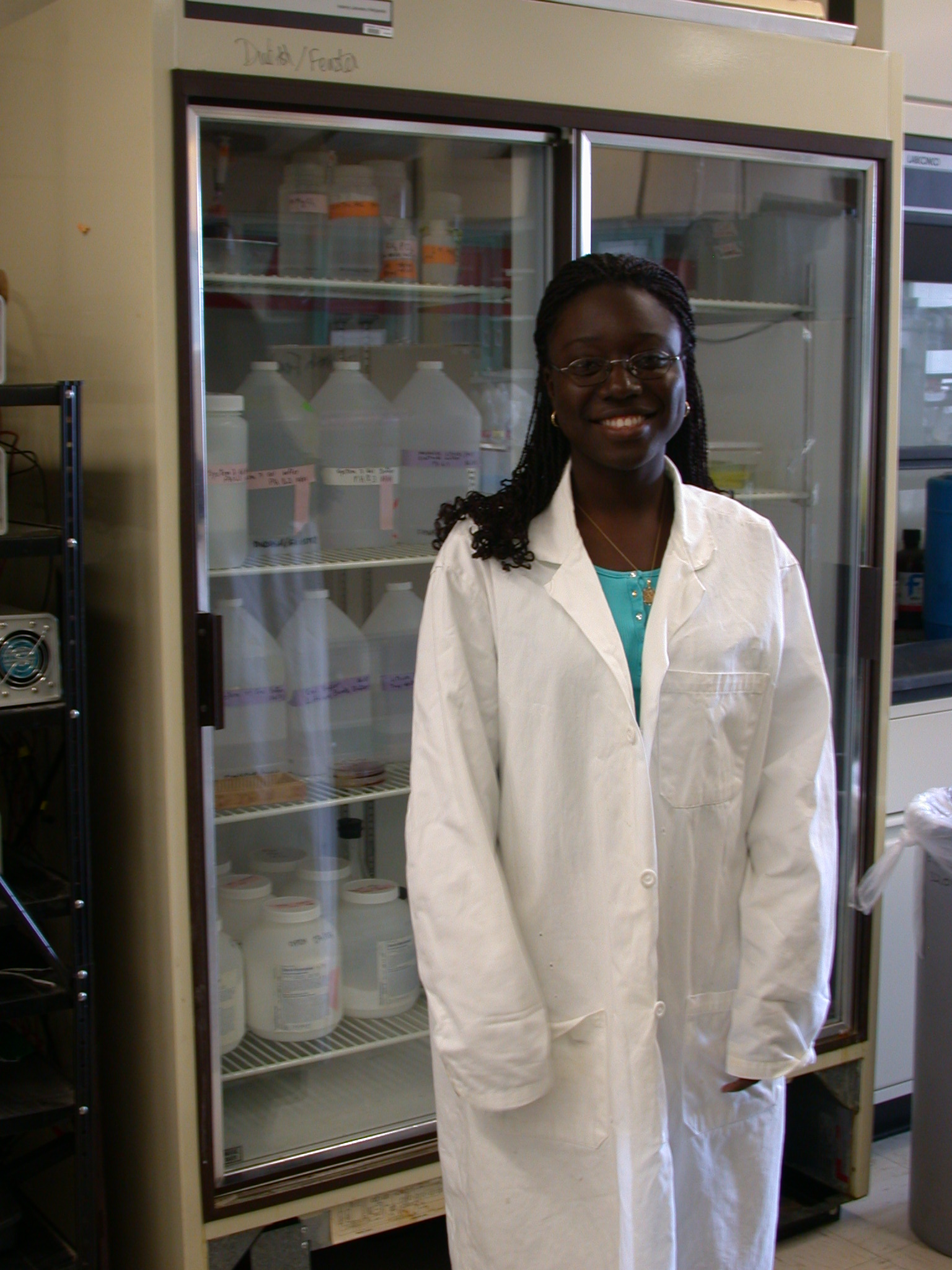
Roseline Boateng - UMD, FWS and NSF REU. Pharmacy School graduate from Howard University, 2014.
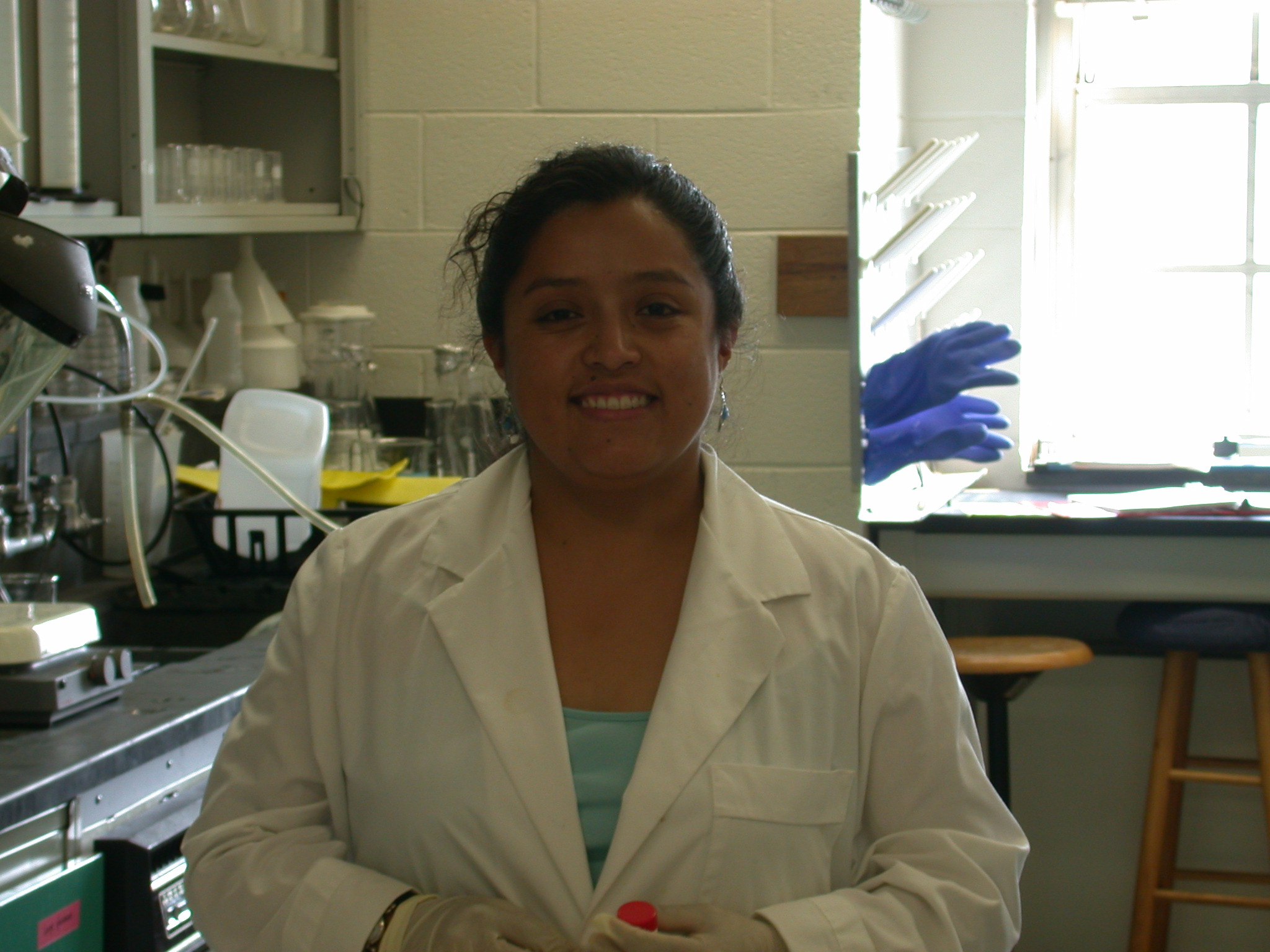
Ana Chuquin - UMD, FWS and NSF REU.
Former Undergraduate Research Assistants at UM and Mtn. Lake Biological Station :
William Straw in the Independent Studies Program. UM, 1990.
Roelof Irausquin, volunteer, UM, 1992-1993.
Yunny Na, volunteer, UM, 1992.
Jim Pippin, volunteer, UM, 1992.
Kathryn Oplinger, Undergraduate research assistant program (URAP), UM, 1993- 1996.
Alexis Rodhe, BOTN 211 volunteer, UM, 1993.
Jessica Wilson, volunteer in URAP Program UM, 1994-1995.
Tony Marketon, volunteer in URAP Program UM, 1994-1995.
Mary Jo Bogenschutz-Godwin, volunteer in URAP Program, UM, 1995.
Jake Hughes, volunteer in URAP Program, UM, 1995.
MaryAnne Gamao, College Park Scholar internship and URAP volunteer, 1995.
Niki Smith, College Park Scholar internship and URAP volunteer, 1995.
William Miller, volunteer in URAP program, 1995.
Esther Sleeth, College Work Study, 1995-1997.
Barbara Dominguez, volunteer in URAP program, 1995 - 1996; CWS 1996-1997.
Syed Ali , volunteer in URAP program, 1996.
Jayme Dawson, volunteer in URAP program, 1996.
Sin Kie Yeung, College Park Scholar internship and URAP volunteer, 1996.
Research Assistants 2002-2003: Lauren Bausel, Lee Meifang, Rebecca Russell.
Research Assistants 2003-2004: Uchechukwu Amadi, Tara Bevard, Edmond Byrnes, Jenn Fien, Paul Goodman, Peter Machado, Saira Nisar , Jose L. Ortiz, Kevin Phongagsorn , Ellei Sephari, Casey Rice, Emily Uphoff, Yeo Jin Yoon, Jen Zerfass, Erika Wallace.
Edmond Byrnes, BIOL 399 Fall 2004: Independent 2 credit hour research project. Ph.D. Duke Univ. 2010.
Research Assistants 2004-2005: Emily Uphoff, Fang Xu, Juli Hause, Christian Brown, Veder Garcia, Debra Friedman, Susan Jackson, May Nguy, Naveeda Mahmood.
Cynthia Chang, ENSP Honor’s thesis student with a Howard Hughes Fellowship, Summer 2003–Spring 2005. In Ph.D. program at Yale University.
Julie Cridland URAP, Fall 2005-Spring 2005. Currently a Ph.D. student at Univ. of Calif., Irvine, Fall 2006.
Naveeda Mahmood, 2005 URAP and Independent undergraduate research project 3 credits, Fall 2005.
Allison Hagerman Fall 2005, Undergraduate Research Assistant.
Research Assistants Spring 2006: Azharul Haque and Joshua Pearl.
Research Assistants Fall 2006 and Spring 2007: Joshua Pearl, Roseline Boateng
William Storms Dwyer 2006-2007. Senior at Eleanor Roosevelt High School Research Practicum at Mountain Lake Biological Station and UM.
NSF REUs at UM and Mountain Lake Biological Station:
Cynthia Hassler, 1991,1992, research assistant, 1993,1994, NSF REU at Mountain Lake Biological Station, University of Virginia, co-mentored with C. Fenster.
Mara Sanchez, volunteer 1991-1992, REU student from NSF grant, UM, 1993-1995 and NSF REU, Mountain Lake Biological Station, University of Virginia, co-mentored with C. Fenster.
Bridget Byers, REU student from NSF grant, UM, 1994-1995.
Mary Meredith, NSF REU student from NSF grant, UM, 1995-1996.
Sadie Jernigan, Summer 1996, NSF REU student at Mountain Lake Biological Station, University of Virginia, co-mentored with C. Fenster.
George Cheely, Amherst College, Summer 2002, NSF REU student at Mountain Lake Biological Station, University of Virginia, co-mentored with C. Fenster.Attending Medical School at Univ. of Pennsylvania.
Peter Stevens, Summer 2002, Lawrence University, NSF REU at Mountain Lake Biological Station, University of Virginia, co-mentored with C. Fenster. In graduate school at Cornell Univ.
Jeremy Ash 2002, McGill University, NSF REU at Mountain Lake Biological Station, University of Virginia, co-mentored with C. Fenster. In Ph.D. program at Univ. of Miami at Ohio.
Marjorie Westbrook 2002, University of Virginia, NSF REU student at Mountain Lake Biological Station, University of Virginia, co-mentored with C. Fenster. In Ph.D. program at U. of Calif. Berkeley.
Christopher Williams 2005, Frostburg State and University of Virginia, McNair Scholar and NSF REU student at Mountain Lake Biological Station, University of Virginia, co-mentored with C. Fenster. In Ph.D. program at Georgetown University Fall 2006.
Alexandra Rhode 2005, University of Virginia, NSF REU student at Mountain Lake Biological Station, University of Virginia, co-mentored with C. Fenster.
Ana Chuquin 2007, University of Maryland NSF-REU, co-mentored with C. Fenster.
Roseline Boateng 2007, University of Maryland NSF-REU, co-mentored with C. Fenster.
Dean Castillo, 2008, Cornell University and NSF-REU at Mountain Lake Biological Station, University of Virginia, co-mentored with C. Fenster.
At Prince of Songkla University, Hat Yai, Thailand (May 2013) with Alyssa Stewart and her great field assistants, Piyaporn Suksai and Supawan Silopan.
M. Dudash Lab
Contact Info: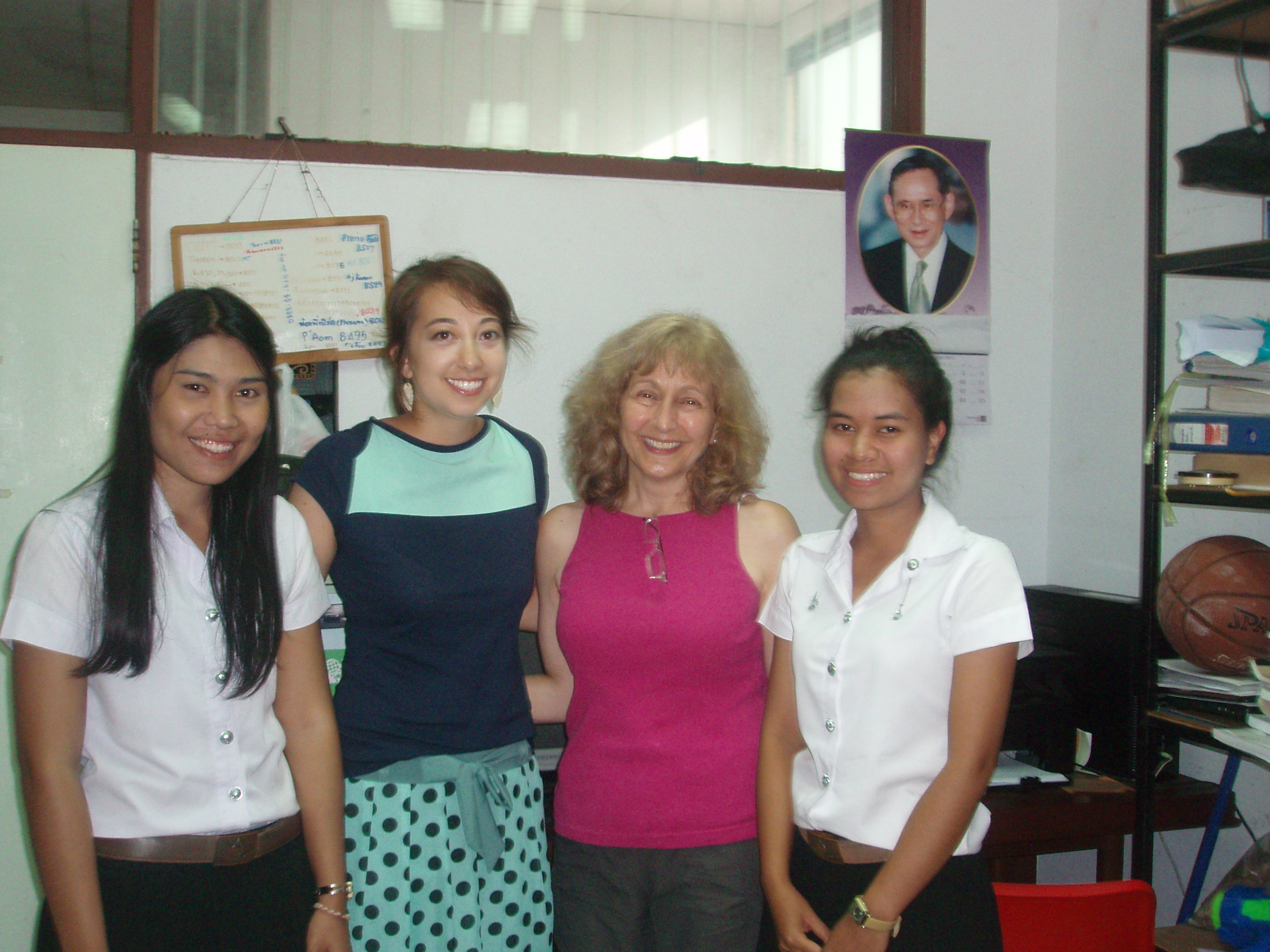
Department of Biology
University of Maryland
College Park, MD 20742
Phone: 301-405-1642
Fax: 301-314-9358
mdudash(at)umd.edu
My puppies, Lady (left) and Leo (right):
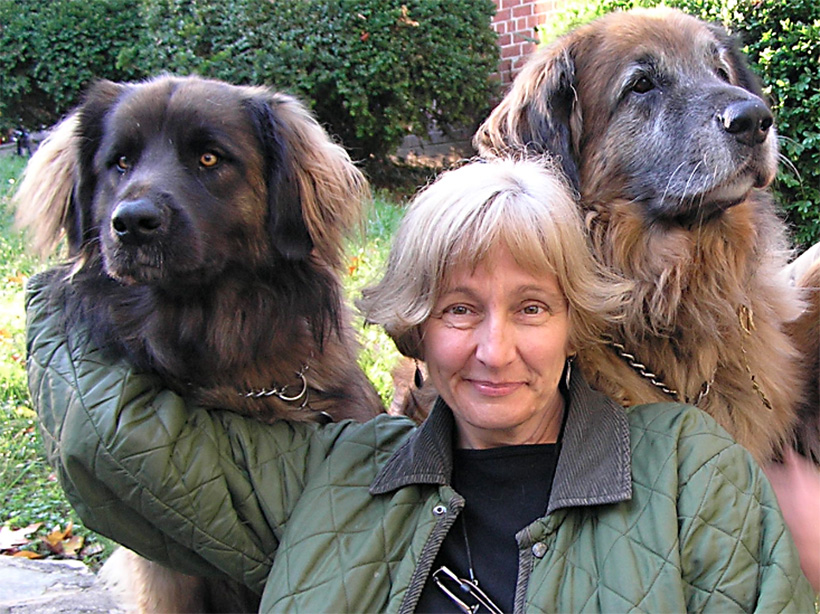
Lizzie Brindise, a grad school buddy of mine.